Results for ""


Ministry of Communications 4 Min Read Oct 23, 2024
AI for a Better Future: ITU Kaleidoscope 2024 Insights
 Published By : Dr Nivash Jeevanandam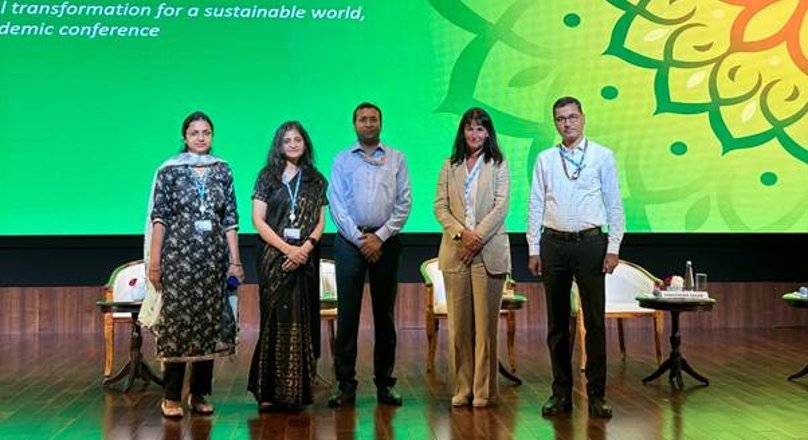
The second day of ITU Kaleidoscope 2024, held alongside ITU-WTSA 2024 in New Delhi, they spotlighted the transformative role of AI and digital technologies in driving sustainable development. Beginning with a keynote presentation by Mari Carmen Aguayo Torres, the discussions centred around creating inclusive technology solutions, with particular attention to the importance of public-private partnerships in attracting women to technology sectors. These initiatives aim to foster diversity in the tech industry and ensure gender equity in the digital revolution.
Eva Ibarrola from the University of the Basque Country, Spain, chaired a critical session on engaging girls in technology, emphasizing the collaboration between public and private sectors to broaden access to tech careers. Rohit Sharma, Member (Services) of India’s Department of Telecommunications, and Sunil Kumar, President of the Institution of Electronics and Telecommunication Engineers (IETE), led sessions addressing the social, economic, and environmental impacts of AI and digital technologies on sustainable development.
Throughout the day, presentations highlighted AI's transformative applications in critical fields such as healthcare, education, and agriculture. AI-driven diagnostics, the integration of AI in rural education, and its impact on agricultural productivity were key areas of focus. The importance of cybersecurity in IoT applications and discussions on the ethical implications of AI-generated content were underscored. These discussions reinforced the need for AI innovation that aligns with the UN Sustainable Development Goals (SDGs) while emphasizing international collaboration.
In the afternoon, a vibrant poster session fostered research collaborations. It featured discussions on AI’s role in education and the application of space systems for achieving SDGs. The session illustrated how cross-sector collaboration could use technology to address some of the world’s most pressing challenges.
Rohit Sharma highlighted the event's significance, emphasizing that "ITU Kaleidoscope 2024 provided a crucial platform for exploring the intersection of technology and sustainability. Discussions ranged from cybersecurity in agricultural IoT to AI-generated content and international taxation for ICT solutions, highlighting the need for global cooperation to ensure technological advancements contribute meaningfully to sustainable development." He underscored the necessity of global standards and innovative policies in shaping a more secure, equitable, and sustainable digital ecosystem.
Further sessions, chaired by Sunil Kumar, explored social and policy dimensions of AI, with presentations on refurbished mobile phones' role in digital inclusion, standardizing AI incident reporting for trustworthy AI, and modelling internet use in global development contexts. These topics underscored the pressing need for international regulatory frameworks that balance innovation with ethical and environmental concerns.
Concluding the day, interactive discussions focused on AI's policy and economic impacts, particularly in agriculture and copyright, offering insights into the challenges and opportunities of integrating AI into real-world applications.
Day 3 of ITU Kaleidoscope 2024 is set to continue this momentum. Panel discussions on the future of global standards and the presentation of paper awards will further cement the event's role in shaping the future of AI and telecommunications standards.
About ITU Kaleidoscope: ITU Kaleidoscope is an annual event that bridges academia and industry, driving global efforts to standardise telecommunications technologies. Since its inception in 2008, Kaleidoscope has been instrumental in advancing discussions on the future of digital communications, serving as a platform for the most promising technological innovations.
For more information on ITU Kaleidoscope 2024, visit the official event website.
About WTSA 2024: Organized by the International Telecommunication Union (ITU), WTSA 2024 focuses on developing and implementing global telecommunications standards, bringing together regulators, industry leaders, and policymakers to shape the future of communications.
Source: PIB