Results for ""


Medical Diagnosis 4 Min Read Oct 02, 2023
User Submission - AI in Healthcare: (AI Reshaping Healthcare: Precision Diagnosis, Discovery, Personalization)
 Published By : Ajit kumar
In today's world, where chronic diseases are on the rise and people are living longer than ever before, the need for innovative solutions in healthcare has never been more pressing. One such solution, poised to revolutionize the industry, is artificial intelligence (AI). Rooted in the emulation of human intelligence by computer systems and machines, AI has the potential to transform healthcare, from diagnosis to drug discovery and personalized treatment plans. This article explores the profound impact of AI on the healthcare industry, highlighting its role in reshaping medical diagnosis, accelerating drug discovery, and enabling personalized medicine.
1. Facilitating Earlier Detection of Disease:
One of the most promising applications of AI in healthcare is the early detection of diseases. AI, when applied to data derived from diagnostic tests like electrocardiograms and echocardiograms, has the potential to revolutionize disease diagnosis. It can help identify diseases accurately, prevent delays in care, and ultimately save lives. For instance, AI algorithms can assist in the early detection of diseases like pulmonary hypertension and cardiac amyloidosis, allowing for earlier and more accurate diagnoses.

2. Driving Drug Discovery:
Traditionally, drug discovery has been a lengthy and intricate process. However, AI is poised to accelerate this process significantly. By applying AI to anonymized medical datasets, researchers can uncover the biological and genetic variations that underlie disease development. AI algorithms can also analyze biopsy images to identify subtle differences between tumors, pointing to the presence of genetic mutations in specific patient subsets. This information is invaluable for developing targeted therapies, bringing us closer to the era of precision medicine.

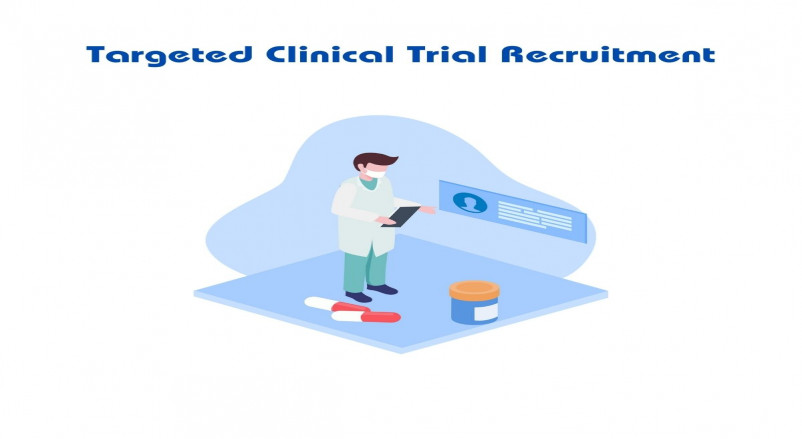
3. Enabling More Targeted Clinical Trial Recruitment:
Recruiting and enrolling eligible patients in clinical trials is a significant challenge. AI is emerging as a solution to this problem by applying machine learning algorithms to large datasets to identify suitable clinical research sites and patient populations. This approach helps streamline the recruitment process and diversify clinical trial locations, making healthcare research more inclusive.
4. Ensuring Treatments Reach Patients:
After discovery and development, the next crucial step is ensuring that healthcare products reach the patients who need them. AI plays a vital role in optimizing the supply chain by predicting supply and demand with greater accuracy. Advanced machine learning algorithms are capable of analyzing diverse factors, including market trends, economic disruptions, and real-time events that might disrupt the supply chain. By prioritizing locations with the most significant impact, AI helps deliver products reliably to those who depend on them.

5. Optimizing the OR Efficiency and Promoting Surgical Learning:
AI is also transforming the operating room (OR) experience. Medical professionals are now using AI algorithms to create rapid highlight reels from surgical videos, allowing surgeons to review key moments from procedures in real-time. This innovation fosters continuous learning and improvement in surgical techniques. Additionally, AI can analyze surgical behavior, tactics, and movements, contributing to positive surgical outcomes.

In conclusion, artificial intelligence is undeniably reshaping the healthcare landscape. From early disease detection to drug discovery and personalized medicine, AI is enhancing patient care, speeding up innovation, and making healthcare more accessible and efficient. As we move forward, AI's role in healthcare will continue to prioritize patients and customers, fulfilling the mission of delivering better care and healthier lives.
Sources of Article
Artificial Intelligence is Helping Revolutionize Healthcare As We Know It by Ashley Welch