Results for ""


AI Chip Aug 25, 2022
Experts state: “Unprecedented” chip to transform AI
 Published By :
IndiaAI
Published By :
IndiaAI
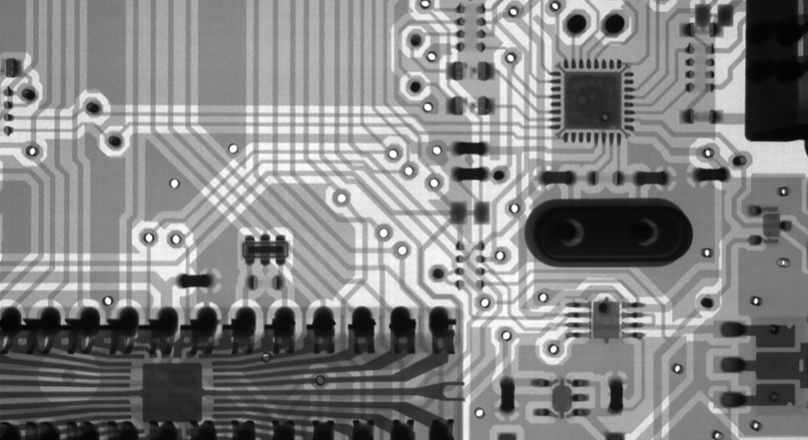
A recently published paper on “A compute-in-memory chip based on resistive random-access memory” in Nature, spoke about “unprecedented”, a new computer chip. According to its creators, this chip could help revolutionize AI.
At the moment, most applications of AI are not made locally on a device as they have low battery life and processing power. Information is sent over the internet to another computer, where it is analyzed or computed and then sent back again.
This new system will allow increasingly complex AI to live on chips themselves without having to send information to the cloud.
Experts hope that AI can be embedded in “edge” devices. It is a milestone discovery as it allows a wide variety of AI tasks to be done far more quickly and efficiently than ever before.
Usually, such efficiency is seen as being available at the cost of versatility and chips can either use less power or do more tasks, but not both. The new system appears to overcome that problem, however.
It does so using “resistive random-access memory”. It allows for computing to be done directly in the memory rather than shifted into separate processing units, which speeds up the processing time.
As per the results, the system has already proven itself to be capable, both in its usage of energy as well as the amount of time each one takes.
It showed 99 per cent accuracy in analyzing handwritten digits, for instance, and 84.7 per cent on a Google speech recognition task.
But scientists hope to improve it, making it even quicker, more efficient and ready for a wide variety of cases of use cases.