Results for ""


Research Feb 12, 2021 INDIA
Platform for ML-based video tracking developed at IISc
 Published By :
IndiaAI
Published By :
IndiaAI
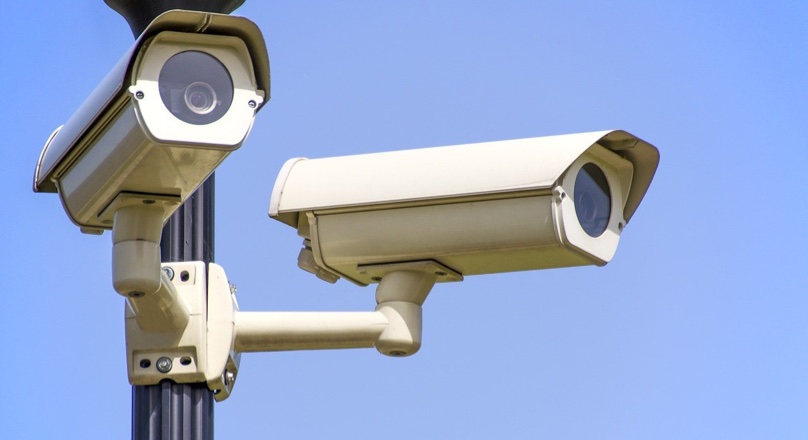
ML models can intelligently track and analyse video feeds from cameras spread across cities. These tracking algorithms can be very useful for tracing missing people or objects and for automated traffic control. But these models cannot work by themselves. Just like a computer needs to run on an operating system, these models need to run on a software platform or “environment”.
Researchers at the Indian Institute of Science, Bangalore, have developed a software platform called ‘Anveshak’ which can track an object across a 1,000-camera network. In addition, it can also plug in advanced computer vision tools and intelligently adjust different parameters ‒ such as a camera network’s search radius ‒ in real-time.
“The platform is suitable even for resource-constrained environments, where the amount of computing power available is not really negotiable on the fly. Anveshak enables the tracking to continue uninterrupted even if the resources ‒ the type and number of computers that analyze the feeds ‒ are limited,” stated an IISc release.
The research entitled ‘A Scalable Platform for Distributed Object Tracking Across a Many-Camera Network’ has been published in IEEE Transactions on Parallel and Distributed Systems, a monthly journal.
Anveshak has previously been demonstrated in 2019 for its “spotlight tracking algorithm” which can control traffic signals to create “green routes” for ambulances to move faster. “The spotlight algorithm narrows the search space for analysing video feeds if the missing person is found within a camera’s field of view. It gradually expands the set of video feeds analysed when the person falls in a blindspot between cameras. This intelligence helps reduce the computation required for analysing videos from 1000s of cameras while not sacrificing accuracy,” explains the release.
Further research by the team is focussing on incorporating privacy restrictions within the Anveshak platform as well as enabling it to track multiple objects at the same time.